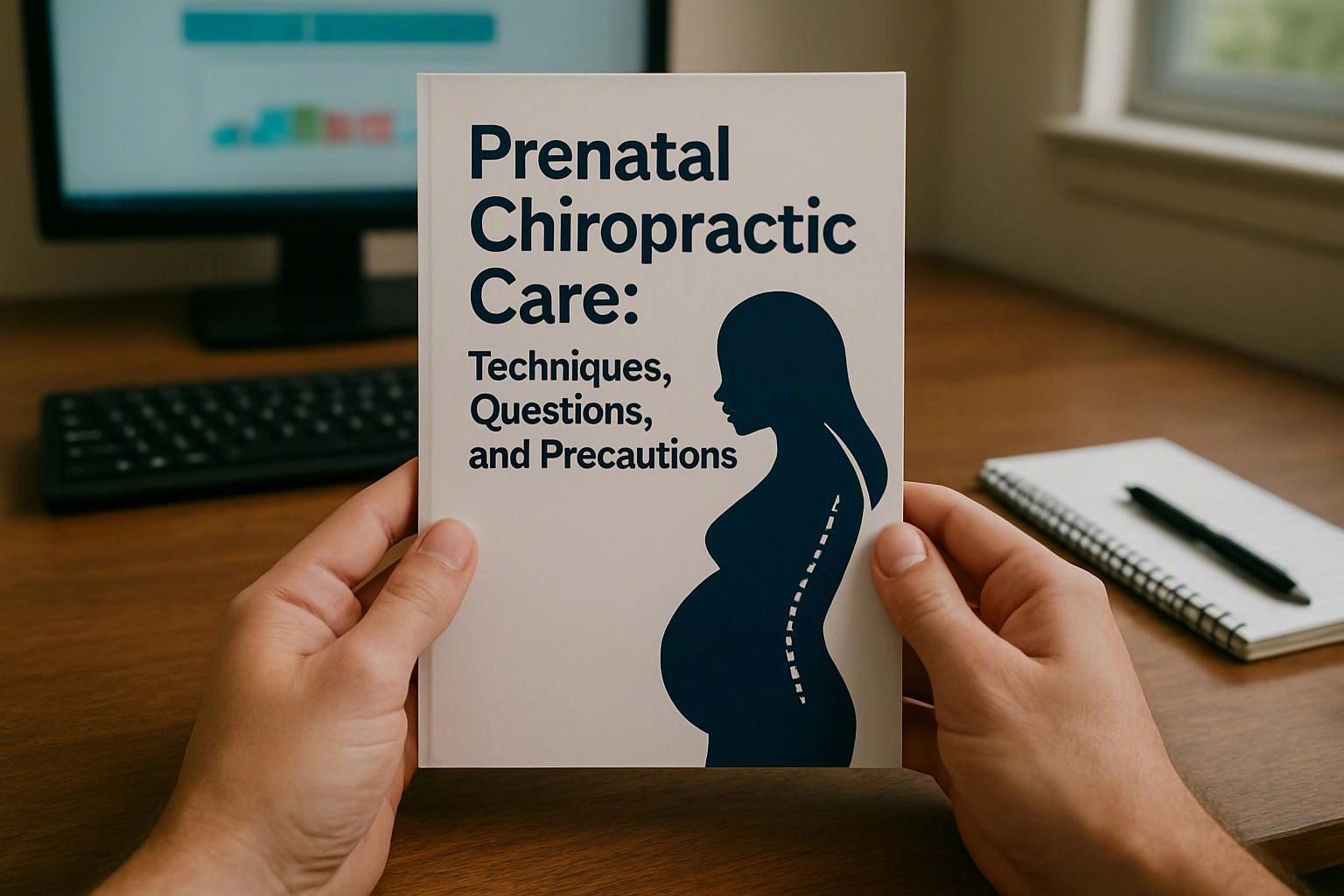
Prenatal Chiropractic Care: Techniques, Questions, and Precautions
Prenatal chiropractic care uses pregnancy-adapted assessment and gentle techniques to address comfort and movement concerns when appropriate medical screening supports care; Arrowhead Clinic Chiropractor Hinesville explains what we check, what to ask, and when precautions require coordination with your prenatal care team.
Request an EstimateWhat Is Prenatal Chiropractic Care?
Prenatal chiropractic care is a pregnancy-adapted approach that evaluates musculoskeletal concerns and uses techniques selected for the patient's stage of pregnancy, symptoms, and clinical situation. At Arrowhead Clinic Chiropractor Hinesville, we use a chiropractic assessment to understand how pregnancy may affect movement, joint comfort, and daily activity.
Pregnancy can change posture, balance, muscle loading, and joint motion. Our team considers pregnancy-related back pain, pelvic discomfort, medical history, and movement tolerance before discussing an individualized care plan.
Is Chiropractic Care Safe During Pregnancy?
Chiropractic care during pregnancy can be appropriate for some patients when clinical screening supports it and care is adapted to pregnancy. We coordinate with the prenatal care team when symptoms, medical history, or pregnancy complications require medical input.
Our screening considers contraindications, current symptoms, pregnancy history, and the need for referral. Informed consent is part of the process, so you understand the proposed care and can discuss concerns before a chiropractic adjustment.
When Should Pregnancy Symptoms Be Referred for Medical Care?
Urgent pregnancy symptoms require prompt contact with your obstetric care team or appropriate medical service before chiropractic care is considered.
Which Techniques Are Used in Prenatal Chiropractic Care?
Prenatal chiropractic techniques are selected after assessment and may include pregnancy-adapted manual care, gentle mobilization, positioning support, and soft-tissue work. We modify care according to symptoms, pregnancy stage, and position tolerance.
Our approach may include a manual adjustment, gentle mobilization, soft-tissue techniques, and pregnancy support cushions. Pregnancy-adapted positioning can include a side-lying position when it supports comfort and access to the areas being assessed.
Pelvic alignment is discussed through movement and joint function, not as a promise to change the baby's position or guarantee a birth outcome. Our related guide, “Chiropractic Adjustment Techniques: What Are the Options?”, explains how technique selection can vary.
What Is the Webster Technique?
The Webster Technique is a pregnancy-adapted approach that focuses on the sacroiliac joint and pelvic biomechanics. We use assessment findings to guide care intended to support balanced movement and comfort around the pelvis.
The Webster Technique does not mean that we turn or reposition a baby, and it does not guarantee labor or delivery results. We explain the technique, obtain informed consent, and modify care when symptoms or clinical screening call for another approach.
What Happens During a Prenatal Chiropractic Appointment?
A prenatal chiropractic appointment begins with health history, pregnancy history, symptom review, and movement assessment. We use those findings to discuss safe positioning and a care plan.
When Do Prenatal Chiropractic and Prenatal Medical Care Work Together?
Prenatal chiropractic care and obstetric or midwifery care work together when pregnancy monitoring and musculoskeletal support address different parts of your health. We use care coordination when medical guidance affects whether or how we provide care.
How Do Chiropractic and Prenatal Care Work Together?
Chiropractic and prenatal care work together through medical screening, musculoskeletal support, referral coordination, and a shared pregnancy care plan. We stay within the role of musculoskeletal care and respond to medical concerns with appropriate referral.
What Should You Ask Before Starting Prenatal Chiropractic Care?
A chiropractor consultation should clarify your pregnancy history, care goals, technique selection, contraindications, and communication with your prenatal clinician. These questions help you make an informed decision.
How We Personalize Prenatal Chiropractic Care
Arrowhead Clinic Chiropractor Hinesville personalizes care through clinical intake, pregnancy-stage review, symptom-pattern assessment, and positioning assessment. We consider how you tolerate movement and supported positions before choosing a technique.
Our team modifies care when symptoms change, pregnancy guidance changes, or a position does not feel comfortable. We also discuss referral when the findings fall outside appropriate musculoskeletal care.
What Can Change the Cost of Prenatal Chiropractic Care?
The cost of prenatal chiropractic care depends on the consultation, assessment needs, recommended care plan, and applicable coverage; we explain what the quote includes before care begins.
Cost drivers can include the complexity of the prenatal chiropractic consultation, the assessment needed, recommended visit frequency, and insurance benefits. We offer Free Consultations and explain the next steps so you can request an exact quote from our team.
When Should You Pause or Reconsider Prenatal Chiropractic Care?
Prenatal chiropractic care should be paused or reconsidered when pregnancy complications, new symptoms, or medical guidance change the safety picture. We reassess care and coordinate a referral when medical clearance or additional evaluation is needed.
Contact your prenatal care team about red-flag symptoms before returning for musculoskeletal care. Our team can review the updated situation and modify the care plan after appropriate guidance.
Questions About Prenatal Chiropractic Care
Can prenatal chiropractic care help with pregnancy-related back discomfort?
Yes, prenatal chiropractic care may support pregnancy-related back discomfort when clinical screening supports care and techniques are adapted to pregnancy. Arrowhead Clinic Chiropractor Hinesville assesses movement, symptoms, and position tolerance before discussing an individualized plan.
Should I tell my obstetrician or midwife that I am seeing a chiropractor?
Yes, telling your obstetrician or midwife supports care coordination during pregnancy. We can consider relevant prenatal guidance when screening symptoms and selecting pregnancy-adapted care.
Can I receive chiropractic care during a high-risk pregnancy?
Chiropractic care during a high-risk pregnancy requires individualized medical screening and coordination with the prenatal care team. We review the clinical situation and follow medical guidance before deciding whether care should proceed.
What should I bring to a prenatal chiropractic consultation?
Bring relevant pregnancy history, current medical information, a list of symptoms, and any guidance from your obstetrician or midwife. This information helps us complete clinical screening and discuss appropriate care goals.
Contact Arrowhead Clinic Chiropractor Hinesville to discuss prenatal chiropractic care, screening, precautions, and your comfort goals.