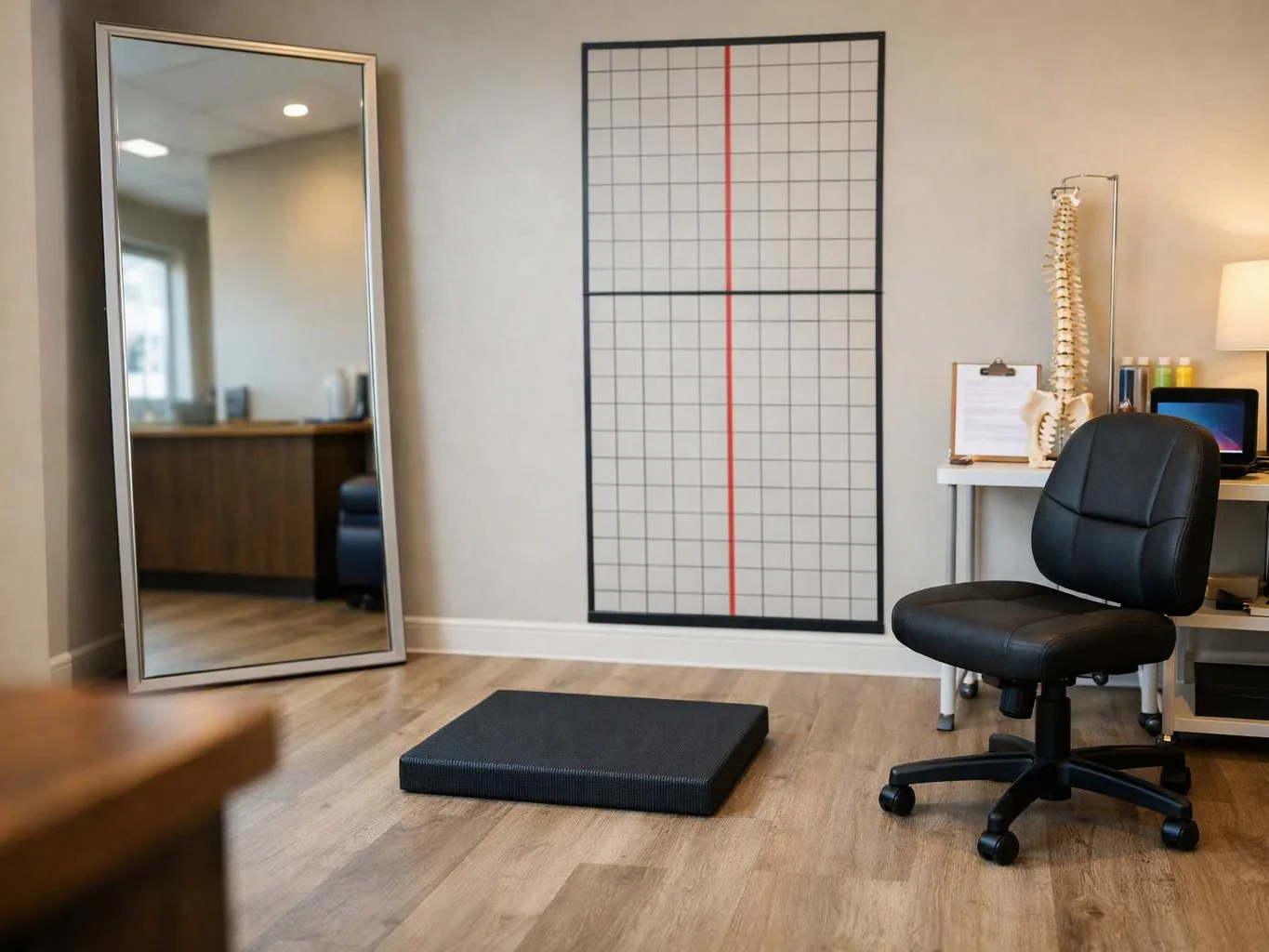
Posture and Chiropractic Care: Assessment, Exercise, and Everyday Habits
Chiropractic posture correction can combine assessment, chiropractic adjustments, therapeutic exercise and everyday habit changes; Arrowhead Clinic Chiropractor Hinesville uses these elements to guide individualized care.
Request an EstimateCan Chiropractic Care Help Improve Posture?
Yes, chiropractic care can support posture improvement when adjustments are combined with movement retraining, therapeutic exercise and practical habit changes. Our team uses chiropractic posture correction to address movement patterns that may affect spinal alignment and comfort.
Posture correction is not only about holding the body in one fixed position. We look at how the head, shoulders, spine, pelvis and feet work together during everyday movement.
How We Assess Posture and Movement
Posture assessment examines alignment, mobility, movement patterns and the daily activities that may influence how the body is positioned. Arrowhead Clinic Chiropractor Hinesville reviews standing posture, sitting posture, spinal mobility and range of motion.
Our team also considers muscle balance, gait, work demands and symptoms during common tasks. This movement assessment helps us build an individualized care plan that fits your goals.
What Can Affect Posture?
Posture can be influenced by repeated daily positions, workplace setup, movement habits, muscle balance and physical comfort. We ask about the routines that may reinforce strain so our care addresses more than a single position.
How Adjustments and Exercise Work Together
Chiropractic adjustments address joint mobility while therapeutic exercise helps the body practice and maintain improved movement patterns. We use this combination to support mobility, motor control and postural endurance.
Exercises may include mobility work, core control, strengthening and movement retraining. Physical therapy may also be appropriate when a person needs a broader rehabilitation plan or additional exercise supervision.
When You May Need Adjustments and Exercise Together
Adjustments and exercise may work well together when posture concerns involve both restricted movement and limited strength, control or endurance. Our team connects the findings from your movement assessment to the care plan.
How Posture Correction Care Is Sequenced
Posture correction care is sequenced by connecting assessment findings with the right combination of hands-on care, exercise and daily habit guidance. We adjust the plan as your movement and comfort change.

Everyday Habits That Support Better Posture
Everyday posture improves when you vary positions, set up work areas thoughtfully and practice comfortable alignment during routine activities. Our team helps you choose habits that are realistic for your work and home routines.
Ergonomics may include placing the screen at a comfortable height and changing position during the day. Standing breaks, walking, sound lifting mechanics and supportive sleep positioning can also improve body awareness without forcing a rigid posture.
How the Services Work Together and What Shapes the Cost
The cost of combined posture care depends on the assessment findings, services selected, visit needs and care complexity. Our Free Consultations help establish what your plan requires.
Combined care may involve several connected parts, and each part should have a clear purpose in your plan.
When Posture Concerns Need Further Evaluation
Posture concerns accompanied by significant pain, numbness, weakness, balance changes or injury history need further evaluation before routine corrective exercise. These signs can point to a concern that requires medical evaluation.
We review your history and movement findings before recommending exercises. Stop an activity that causes new or worsening symptoms and discuss the concern with our team.
How to Begin a Posture Correction Plan
Beginning a posture correction plan starts with discussing your goals, reviewing movement findings and identifying whether adjustments, exercise, physical therapy or habit guidance fit your needs. Our team uses the assessment to connect care choices to your daily activities.
Contact us to arrange a posture assessment and discuss an individualized care plan. We can explain how chiropractic adjustments, therapeutic exercise and daily habits may work together for your needs.
Questions About Posture and Chiropractic Care
Can chiropractic adjustments permanently fix posture?
Chiropractic adjustments cannot guarantee permanent posture correction by themselves. Arrowhead Clinic Chiropractor Hinesville combines mobility care with therapeutic exercise and daily habit guidance to help support lasting movement changes.
What exercises are commonly used for posture correction?
Posture correction exercises commonly address mobility, core control, muscle strength, coordination and postural endurance. We select exercises after reviewing your movement assessment instead of using the same routine for every person.
Should I see a chiropractor or physical therapist for posture problems?
The right choice depends on your assessment findings, goals and need for mobility care, exercise or broader rehabilitation. We can discuss whether chiropractic adjustments, therapeutic exercise, physical therapy or combined care best fits your needs.
Can poor posture contribute to neck or back discomfort?
Poor posture can contribute to neck or back discomfort when repeated positions increase strain or limit movement variety. We assess posture, joint mobility, muscle balance and daily habits to identify factors that may be involved.
Posture correction works best when assessment, movement care, exercise and daily habits support the same goals. Arrowhead Clinic Chiropractor Hinesville is ready to discuss your concerns and help you choose the next step.
Related Resources
First Chiropractic Appointment Checklist: What to Bring and Do Before Your Visit
What's RequiredWorkers' Compensation Chiropractic Treatment Checklist: Documents and Steps to Prepare
What's RequiredPrenatal Chiropractic Appointment Checklist: Questions and Safety Details to Prepare
Brand vs BrandChoosing Arrowhead Clinic or Another Chiropractor in Hinesville