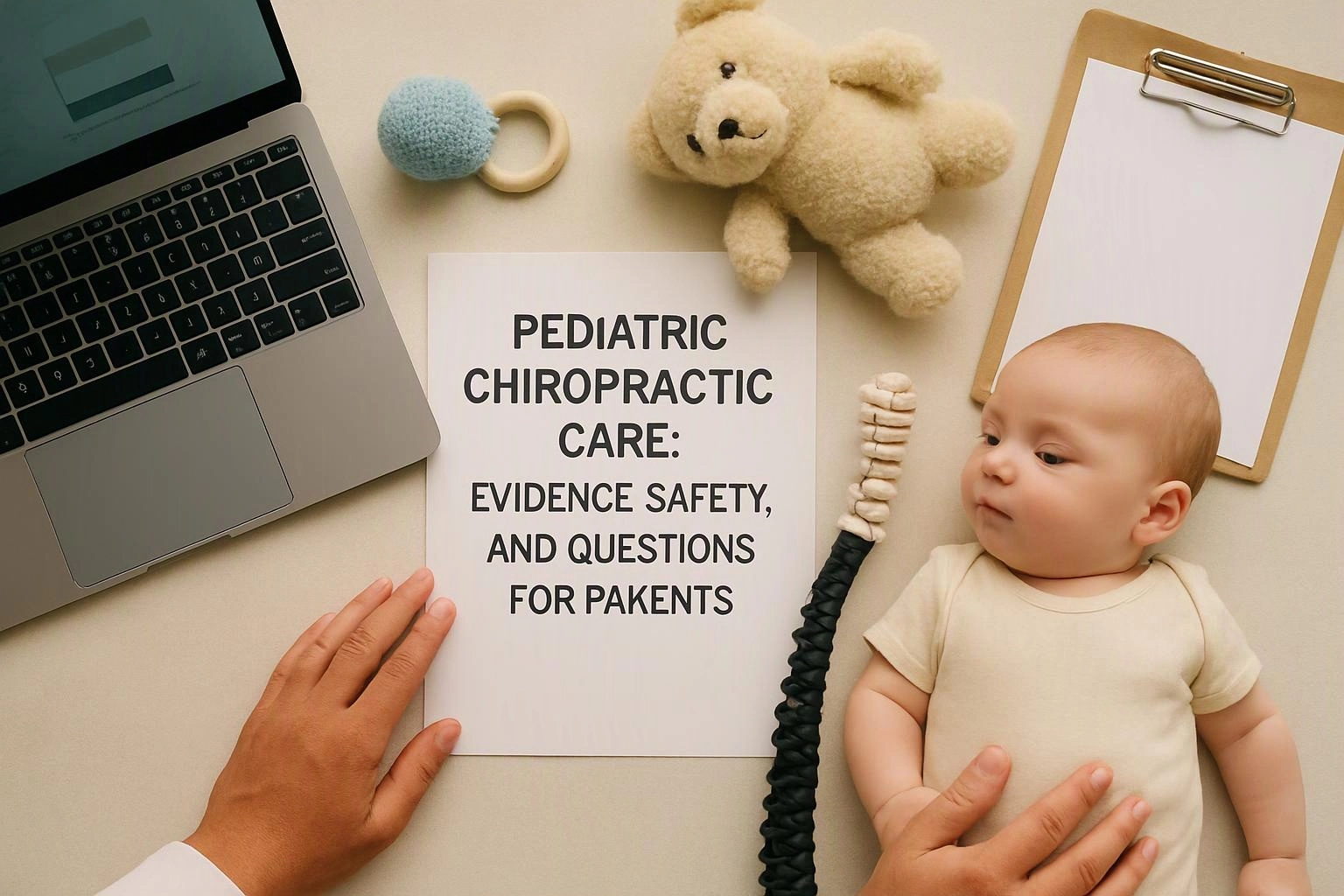
Pediatric Chiropractic Care: Evidence, Safety, and Questions for Parents
Pediatric chiropractic care safety depends on the child’s health history, the reason for care, the technique selected, and informed parental consent; Arrowhead Clinic Chiropractor Hinesville reviews these factors with parents before care.
Request an EstimateIs Pediatric Chiropractic Care Safe for Children?
Pediatric chiropractic care may be appropriate for some children when a qualified clinician evaluates the child, uses age-appropriate care, and obtains informed parental consent.
Child safety starts with a careful clinical assessment. We review the reason for care, the child’s development, current symptoms, and any factors that may make manual care unsuitable.
Our team explains the proposed care in clear language before treatment begins. Parents can ask questions, discuss alternatives, and decide whether the plan fits the child’s needs.
What Does the Evidence Say About Pediatric Chiropractic Care?
Clinical evidence for chiropractic care for children varies by condition, so parents should distinguish between research-supported outcomes, clinical judgment, and claims that require stronger evidence.
Pediatric chiropractic research does not support one broad answer for every child or every symptom. Treatment indications should be specific, understandable, and connected to the child’s clinical findings.
Research limitations may include small study groups, different care methods, and limited information about particular pediatric conditions. We use evidence-based care while staying within the limits of what research can show.
What Should Parents Expect During a Safety Evaluation?
A pediatric safety evaluation reviews the child’s health history, physical findings, development, possible contraindications, and treatment goals before a care plan is considered.
We use the evaluation to decide whether chiropractic care is clinically appropriate and whether coordination with pediatric medical care is needed.
How We Review a Child’s Health History
A child’s medical history helps us understand whether symptoms may relate to an injury, medication, pediatric condition, or another health concern.
We ask parents to describe when symptoms began, what changes them, and whether the child has received prior care. This information helps guide the physical examination and risk assessment.
How We Match Care to the Child
Age-appropriate technique means that the method, pressure, positioning, and communication are selected for the individual child.
Our team uses gentle manual care only when the examination supports it and the treatment goals are clear. We stop and reassess when a child is uncomfortable or when new information changes the risk assessment.
When Should Pediatric Chiropractic Care Be Coordinated With Pediatric Medical Care?
Pediatric chiropractic care should be coordinated with pediatric medical care when symptoms are unexplained, persistent, severe, or associated with a known medical condition.
A pediatrician can provide medical evaluation and diagnosis when symptoms fall outside a musculoskeletal concern. We use medical referral and shared information to keep the child’s care focused and appropriate.
How Can Chiropractic and Pediatric Medical Care Work Together?
Chiropractic and pediatric medical care work together when each service stays within its role and the child’s needs guide the plan.
Care coordination helps parents understand which clinician is evaluating the child, what each care plan is intended to address, and when follow-up is needed.
What Consent Do Parents Need to Give?
Parents or legally authorized guardians should provide informed consent after receiving an understandable explanation of the proposed pediatric chiropractic care, its purpose, possible risks, and alternatives.
Consent is more than permission for an appointment. It includes a discussion of the examination, the suggested technique, treatment goals, expected benefits, possible risks, and treatment alternatives.
Children should also be included in the discussion at a level they can understand. We listen to the child’s questions and comfort signals while respecting the parent’s legal role in the decision.
What Questions Should Parents Ask Before Care?
Parents should ask questions that clarify the treatment rationale, the technique, the expected outcome, and the plan if the child needs medical care.
Clear answers support shared decision-making and help parents decide whether the proposed care fits their child.
How Arrowhead Clinic Chiropractor Hinesville Helps Parents Decide Whether Care Is Appropriate
Arrowhead Clinic Chiropractor Hinesville uses clinical screening, parent education, and care planning to help families evaluate pediatric chiropractic care.
We begin by discussing the child’s health history and treatment goals. Our team then considers the physical examination, possible contraindications, and whether pediatrician coordination is appropriate.
Parents receive a clear explanation of the proposed care and its alternatives before making a decision. Care planning also includes follow-up review so the plan can change when the child’s needs change.
Families can request Free Consultations to discuss questions about pediatric chiropractic safety and next steps.
Questions About Pediatric Chiropractic Care Safety
Can children receive chiropractic care without a medical diagnosis?
Children may receive chiropractic care without a prior medical diagnosis when Arrowhead Clinic Chiropractor Hinesville completes an appropriate clinical assessment and finds that care is suitable. Unexplained, severe, persistent, or medically complex symptoms may require pediatric medical evaluation before care.
What conditions should be discussed with a pediatrician before chiropractic care?
Parents should discuss known medical conditions, unexplained symptoms, severe or persistent symptoms, recent injuries, and concerns involving medication or child development with a pediatrician before care. Medical coordination helps clarify the diagnosis and the safest next step.
How can parents tell whether a chiropractic recommendation is appropriate for their child?
Parents can assess a recommendation by asking what finding supports care, what technique will be used, what the treatment goals are, what risks and alternatives apply, and when referral is needed. The explanation should be understandable and should support informed parental consent.
What should parents do if a child feels worse after chiropractic care?
Parents should contact the chiropractic office about worsening symptoms and seek pediatric medical evaluation when symptoms are severe, unusual, persistent, or concerning. We review the child’s response, reassess the plan, and coordinate medical care when needed.
Pediatric chiropractic care decisions should be based on the child’s health history, clinical findings, treatment goals, informed consent, and appropriate care coordination.
Contact Arrowhead Clinic Chiropractor Hinesville to discuss whether an evaluation is appropriate for your child.
Get a Free EstimateRelated Resources
Chiropractic Adjustment Techniques: What Are the Options?
What Goes With ItChiropractic Care: Potential Benefits, Risks, and Limits
What Goes With ItHow Progress in Chiropractic Care Can Be Measured
What Goes With ItChiropractic Care, Massage, and Physical Therapy: How They Can Complement Each Other