Skip to content

Spinal Decompression Therapy in Fort Stewart, Georgia

Treatment positioning guides the session when decompression needs careful setup instead of a standard adjustment in Fort Stewart. We explain the harness system, motorized traction, and session monitoring before treatment begins.

Licensed & InsuredSame-Day ServiceUpfront, Transparent PricingServing 10 Communities

Quick Summary: spinal decompression care in Fort Stewart, Georgia

Spinal Decompression Therapy in Fort Stewart is provided by Arrowhead Clinic Chiropractor Hinesville for spinal care, back pain, sciatica, and related concerns. Care includes treatment planning, non-invasive therapy, and wellness guidance for Hinesville and nearby Liberty County communities.

  • What we do: Arrowhead Clinic Chiropractor Hinesville provides Spinal Decompression Therapy in Fort Stewart, Georgia, with assessment, treatment planning, and monitored non-invasive care.
  • What is included: Treatment positioning, harness setup, motorized traction, session monitoring, spinal care, and corrective exercise guidance.
  • What you get: The patient receives a clear treatment plan that matches current symptoms, health goals, and comfort during spinal care.

Why does back pain continue during a decompression session?

Back pain can continue when the treatment position, traction level, or care plan does not fit the patient’s needs. A health history, exam, and progress review help our team decide whether to adjust the approach or discuss another form of care.


Working With Our Team in Fort Stewart

Spinal decompression therapy uses a supported position and controlled traction for patients with back pain, sciatica, neck pain, or related spinal concerns. The session focuses on comfort, fit, and safe treatment planning rather than a one-size-fits-all setup.

The buyer decision is whether this approach fits the person’s symptoms and health history. Our team reviews the complaint, completes a health history and exam, and discusses X-rays if clinically indicated.

This page focuses on what happens during a decompression session, including the harness system, motorized traction, and session monitoring. Individual response differs, so progress re-examination helps guide future care.

  • Share the main symptom, when it began, and what changes it.
  • Bring relevant health records or imaging when available.
  • Ask how treatment positioning affects comfort and session setup.
  • Discuss whether spinal decompression fits the current treatment plan.
  • Review follow-up care and any corrective exercises recommended.
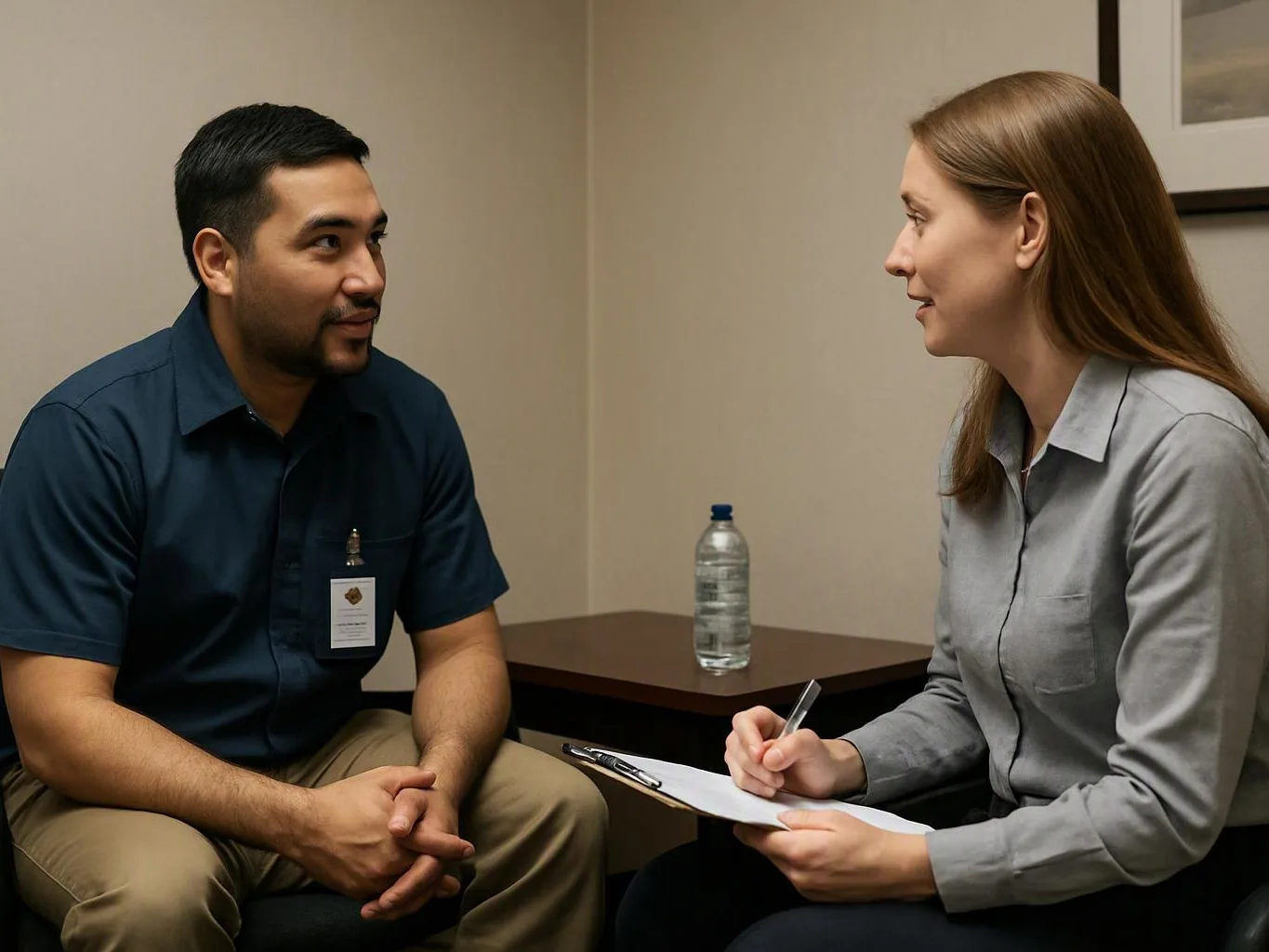
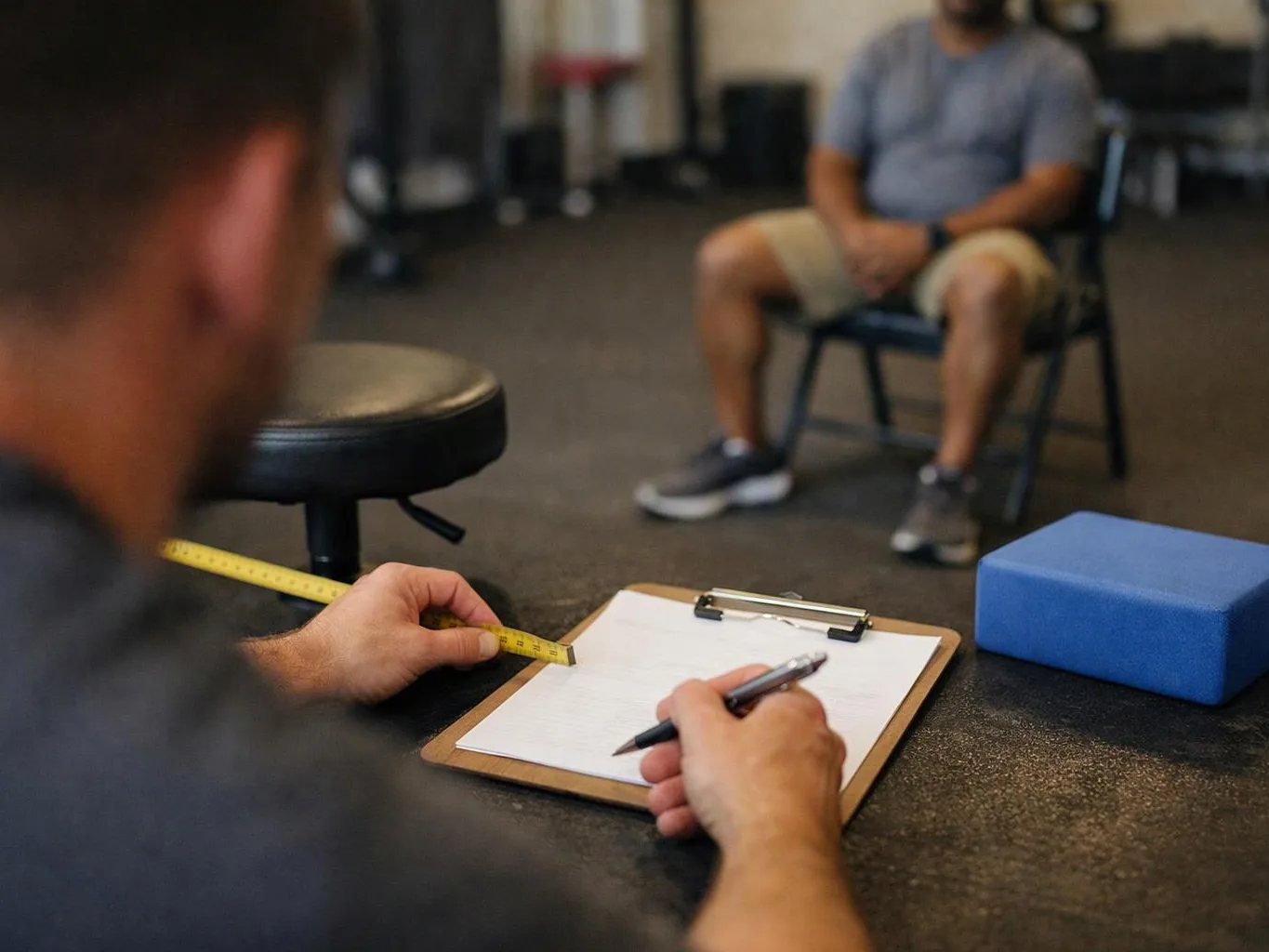
A person writes on a clipboard while another sits across from them during a 상담 setting with a tablet showing a bar chart

Service Overview

Spinal Decompression Therapy is a non-invasive treatment that uses controlled traction to support spinal care.

  • It differs from a chiropractic adjustment because decompression uses traction and a supported position, while an adjustment applies a specific manual movement.
  • Arrowhead Clinic Chiropractor Hinesville provides this care for patients in Fort Stewart and nearby Liberty County communities.

What spinal decompression care includes

Arrowhead Clinic Chiropractor Hinesville provides comprehensive Spinal Decompression Therapy in Fort Stewart. Here's what you get:

  • A new patient intake records symptoms, health history, and care goals.
  • An examination helps our team assess movement and spinal concerns.
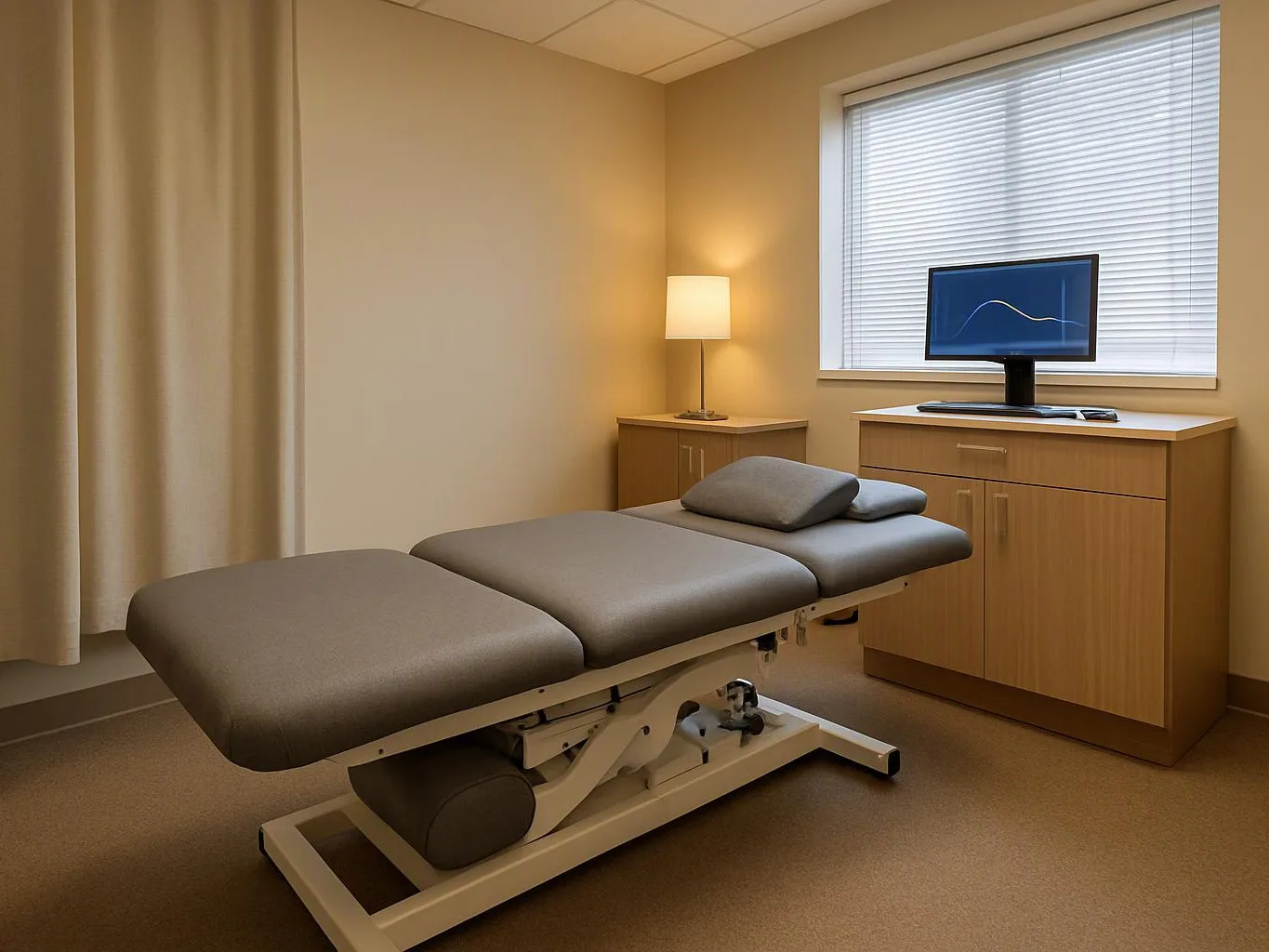
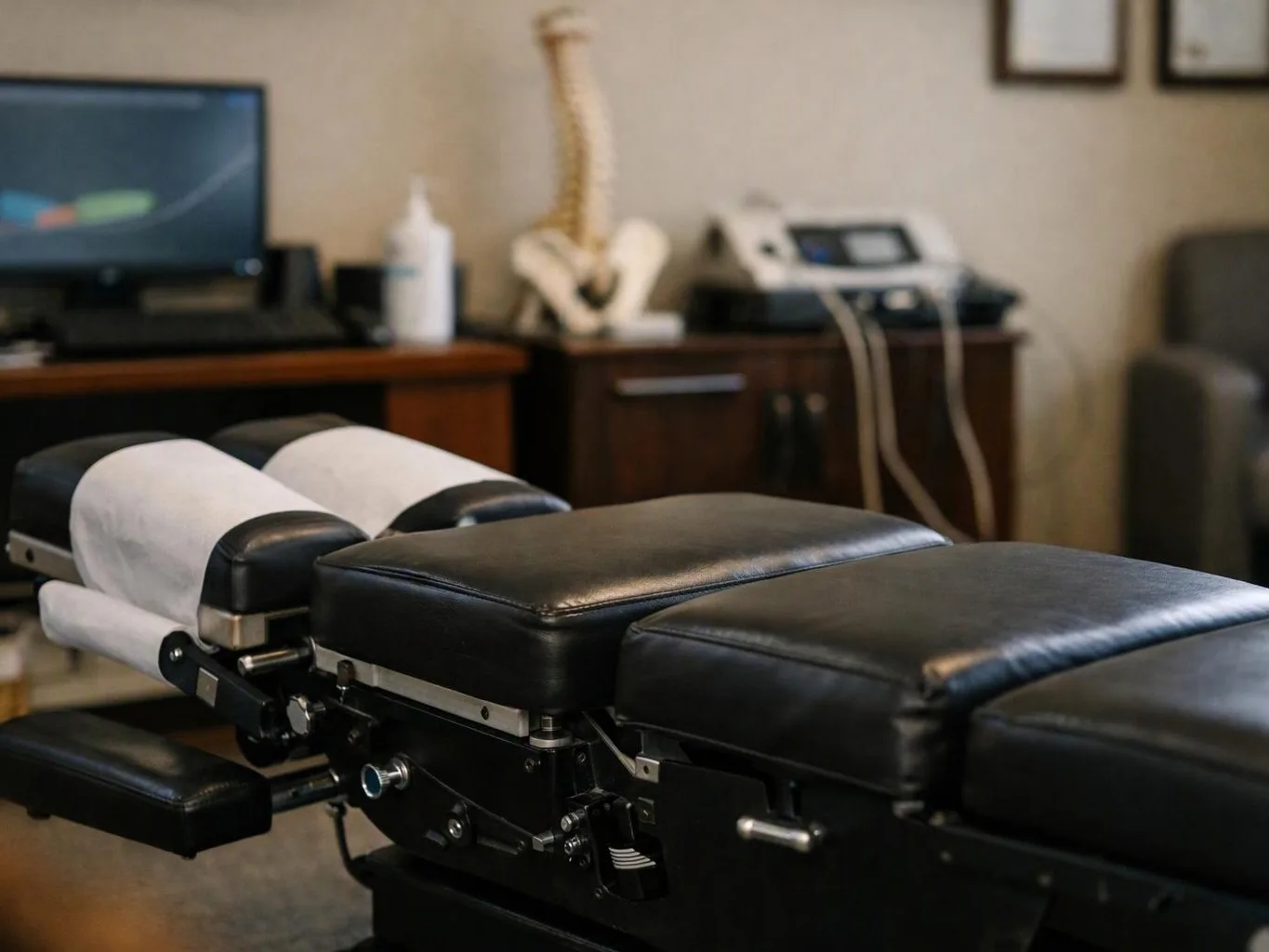
  • Treatment positioning places the patient in a supported posture for the session.
  • A harness system helps apply controlled traction during treatment.
  • Motorized traction provides the planned pull through the decompression table.
  • Session monitoring lets our team check comfort and response during care.
Process

How a decompression session is planned and delivered

1

Complete the new patient intake

We record your health history, symptoms, prior injuries, and treatment goals before care is planned.

2

Review the examination findings

Our team checks movement and spinal concerns, then discusses X-rays if clinically indicated.

3

Set the treatment position

The supported position and harness setup are arranged around comfort, symptoms, and the planned traction approach.

4

Apply motorized traction

The decompression table applies controlled traction while the patient remains supported.

5

Monitor the session

We check comfort and response during treatment, then use those observations to guide follow-up planning.

How we approach this treatment choice

Treatment fit comes first

A health history and exam help us decide whether spinal decompression suits your symptoms. Severe or changing symptoms may call for medical evaluation or another service instead.

The harness supports steady traction

The harness system helps hold the body in position while the decompression table applies controlled traction. We explain the setup before the session starts.

Monitoring shapes the session

Session monitoring focuses on comfort, symptoms, and response during care. These observations help guide later treatment planning.

What patients gain from a monitored decompression session

A supported position gives the session a clear starting point.

Controlled traction may help reduce stress linked to certain spinal complaints.

Monitoring gives the team a chance to respond to discomfort during treatment.

A written treatment plan helps connect decompression with broader spinal care.

Corrective exercises may support comfortable movement between visits.

Regular maintenance may support long-term wellness when it fits your goals.

Choosing between traction and adjustment

The main difference is how each approach applies care to the spine.

Care approachMain methodWhen the decision is made
Spinal decompression therapySupported positioning and controlled tractionAfter health history, examination, and treatment planning
Chiropractic adjustmentA specific manual movementWhen the examination supports that approach

The Arrowhead Clinic Chiropractor Hinesville Standard

  • Tailored Assessments
  • Individualized Care Plans
  • Clear Care Explanations
  • Comfort And Safety

Questions about decompression sessions and care

What happens during a decompression session?

Treatment positioning comes first, and Arrowhead Clinic Chiropractor Hinesville explains the harness system before motorized traction begins. The patient rests on a decompression table while the team monitors comfort and symptoms. A session review follows, and the observations help guide the next treatment decision.

What should be checked before treatment is scheduled?

A health history and examination should be checked before treatment is scheduled. Our team reviews symptoms, prior injuries, current health concerns, and treatment goals. X-rays may be discussed if clinically indicated. These findings help determine whether decompression fits the care plan.

Who is a good fit for spinal decompression therapy?

Adults with certain back pain, sciatica, neck pain, or spinal concerns may be candidates after an assessment. Individual response differs, so the exam guides the decision. New or changing severe symptoms may require medical evaluation or another service before decompression is considered.

Which symptoms should I mention during intake?

Symptoms such as numbness, weakness, pain that travels into a limb, headaches, or recent injury should be mentioned during intake. The symptom pattern helps our team plan the exam and discuss treatment fit. Bring relevant health records or imaging when available.

When might an adjustment fit better than traction?

A chiropractic adjustment may fit better when the care plan calls for a specific manual movement. Spinal decompression uses supported positioning and controlled traction. Our team compares the approaches after reviewing symptoms, movement, health history, and patient goals.

How do corrective exercises relate to decompression care?

Corrective exercises can support movement between treatment visits when they fit the patient’s goals. Our team may discuss exercises such as guided spinal or core movements after the assessment. The plan should match current symptoms and comfort, not a preset exercise list.

Does chiropractic care include medication?

Chiropractic care does not replace a medication decision made by a medical prescriber. Our team focuses on non-invasive chiropractic care, spinal treatment, exercises, and wellness guidance. Patients with medication questions should discuss them with the clinician who manages those medicines.
Contact

Discuss spinal decompression therapy in Fort Stewart

Arrowhead Clinic Chiropractor Hinesville offers Free Consultations for patients who want to discuss symptoms, treatment positioning, and care goals. After you reach out, our team can review your concerns and explain the assessment and next steps.

Two women walk and talk in a hallway beside a sign reading “TREATMENT ROOMS”

ZIP Codes We Serve in Fort Stewart, Georgia

3131431315

Spinal Decompression Therapy in Other Areas

The health and wellness information on this website is for general informational purposes only and is not medical advice. It does not create a provider-patient relationship. Always consult a qualified licensed provider in Hinesville, Georgia, United States about your specific condition before making care decisions. Individual results vary.

(770) 874-6954