How is a whiplash injury evaluated?
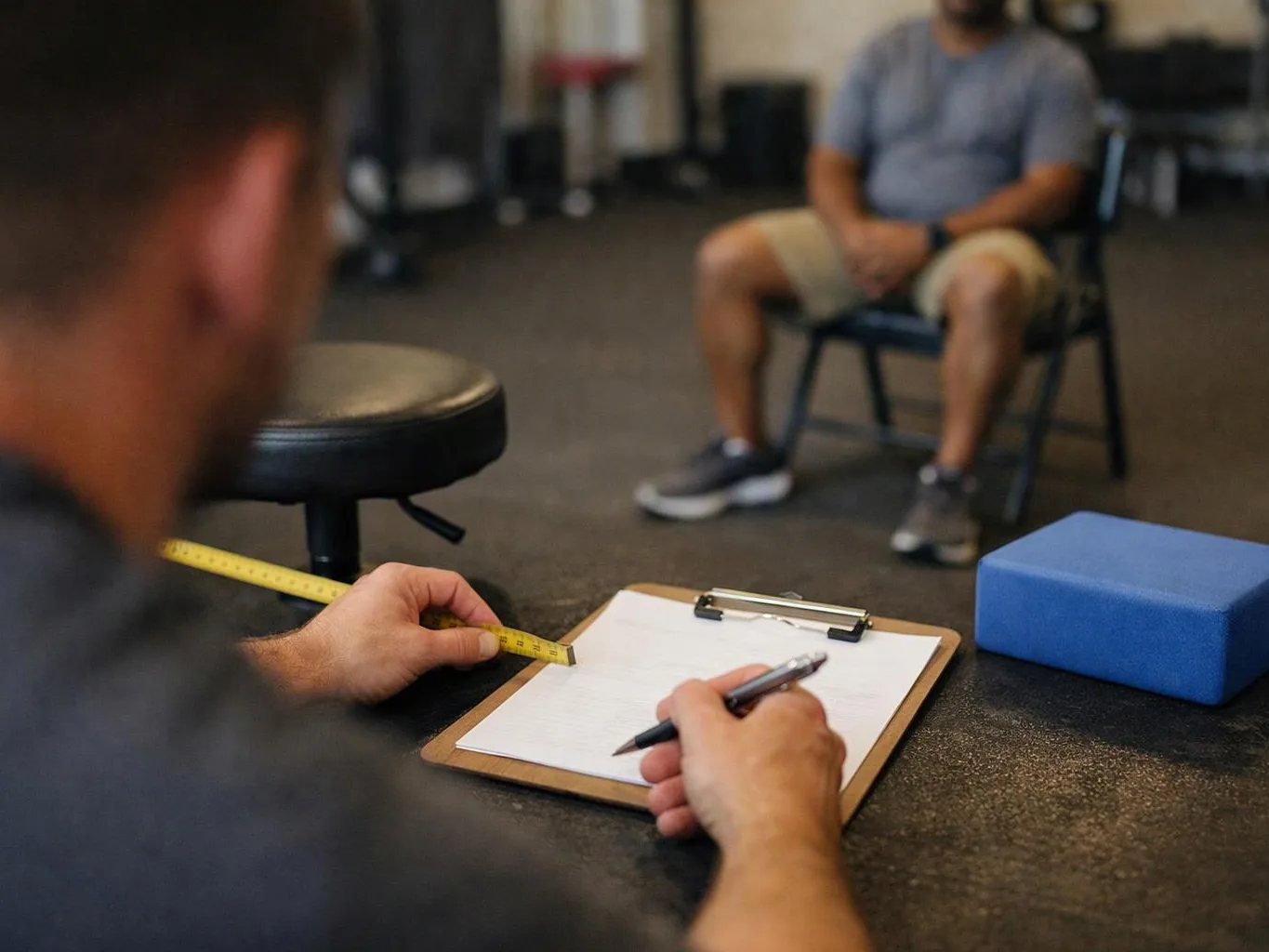
Neurological screening is part of the evaluation when symptoms suggest a concern beyond routine neck strain. Arrowhead Clinic Chiropractor Hinesville also reviews the collision history, checks the neck, and tests mobility. The findings guide the care discussion. Severe weakness, sudden numbness, or other urgent symptoms need medical attention before routine chiropractic care.
What should I bring to my first chiropractic appointment?
A symptom timeline, collision details, current medication list, and relevant health records can help the first visit. Bring questions about pain, movement, and daily limits. We use that information during the health history and examination. You should also mention prior neck injuries or symptoms that appeared after the collision.
Which part of the injury decides the care scope?
The examination findings decide the care scope, including neck movement, symptom pattern, health history, and signs that need another type of medical assessment. Collision force alone does not set a treatment plan. We compare the history with the exam before discussing adjustments, exercises, or spinal care.
What changes the time needed for a whiplash visit?
The amount of history, examination detail, symptom complexity, and discussion needed changes the visit time. A focused concern may need less discussion than symptoms involving headaches, tingling, or past injuries. We do not promise a fixed duration. The goal is to complete an appropriate assessment and explain the next step.
When should I seek urgent medical care first?
Urgent medical care comes first for severe weakness, sudden loss of feeling, trouble speaking, trouble breathing, or a suspected serious injury. Routine chiropractic care is not the right first step for those warning signs. Tell the medical team how the injury happened and when the symptoms began.
Why might exercises follow an adjustment?
Corrective exercises may follow an adjustment when movement support fits the examination and your goals. Exercises can help you practice controlled motion outside the visit. We explain the purpose of each exercise and adjust the plan when your symptoms or movement change. Individual response differs.
How does care move from the first call to the last step?
The process moves from consultation to health history, examination, treatment planning, care, and follow-up review. We first discuss the injury and your main concern. Next, we check the neck and mobility. Then we explain suitable care, such as an adjustment or exercise, and discuss how progress will be reviewed.