
What Is the Pelvic Floor?
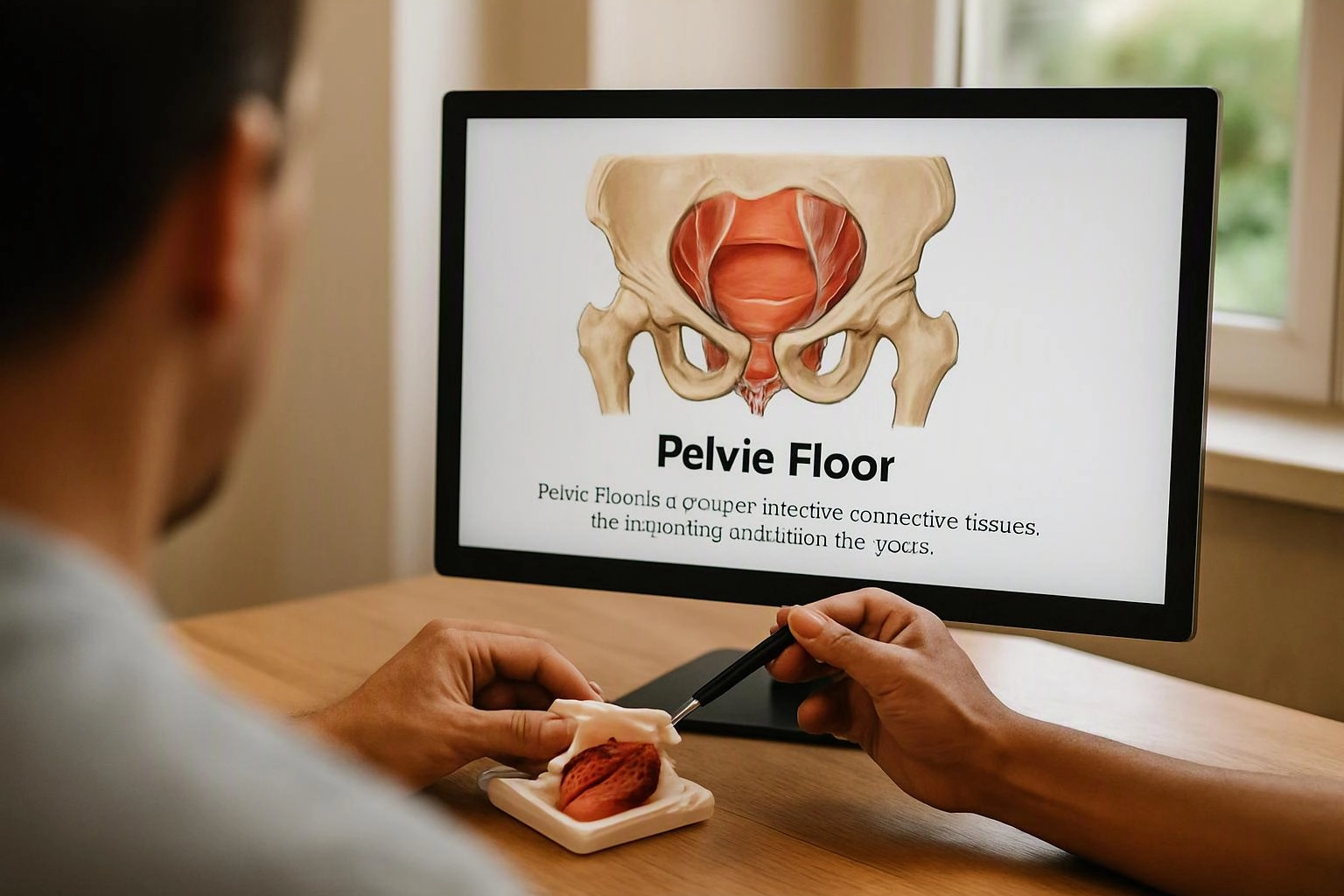
Pelvic Floor is a group of muscles, connective tissues, and supporting structures that spans the bottom of the pelvis. These tissues help support pelvic organs and contribute to bladder, bowel, sexual, and postural control. Pregnancy and childbirth can change pelvic mechanics, which may affect comfort, movement, and coordination.
Quick Facts About Pelvic Floor
Category
Muscle and connective tissue system
Used for
Pelvic support and pressure control
Common confusion
Not the same as the pelvic bones
Also called
Pelvic Floor Muscles, Pelvic diaphragm
Often discussed with
Prenatal Chiropractic Care
Key Takeaways About Pelvic Floor
- It forms a supportive base across the bottom of the pelvis.
- Pregnancy can change pelvic movement and muscle coordination.
- Pelvic floor concerns are not the same as pelvic bone alignment.
How Pelvic Floor Works
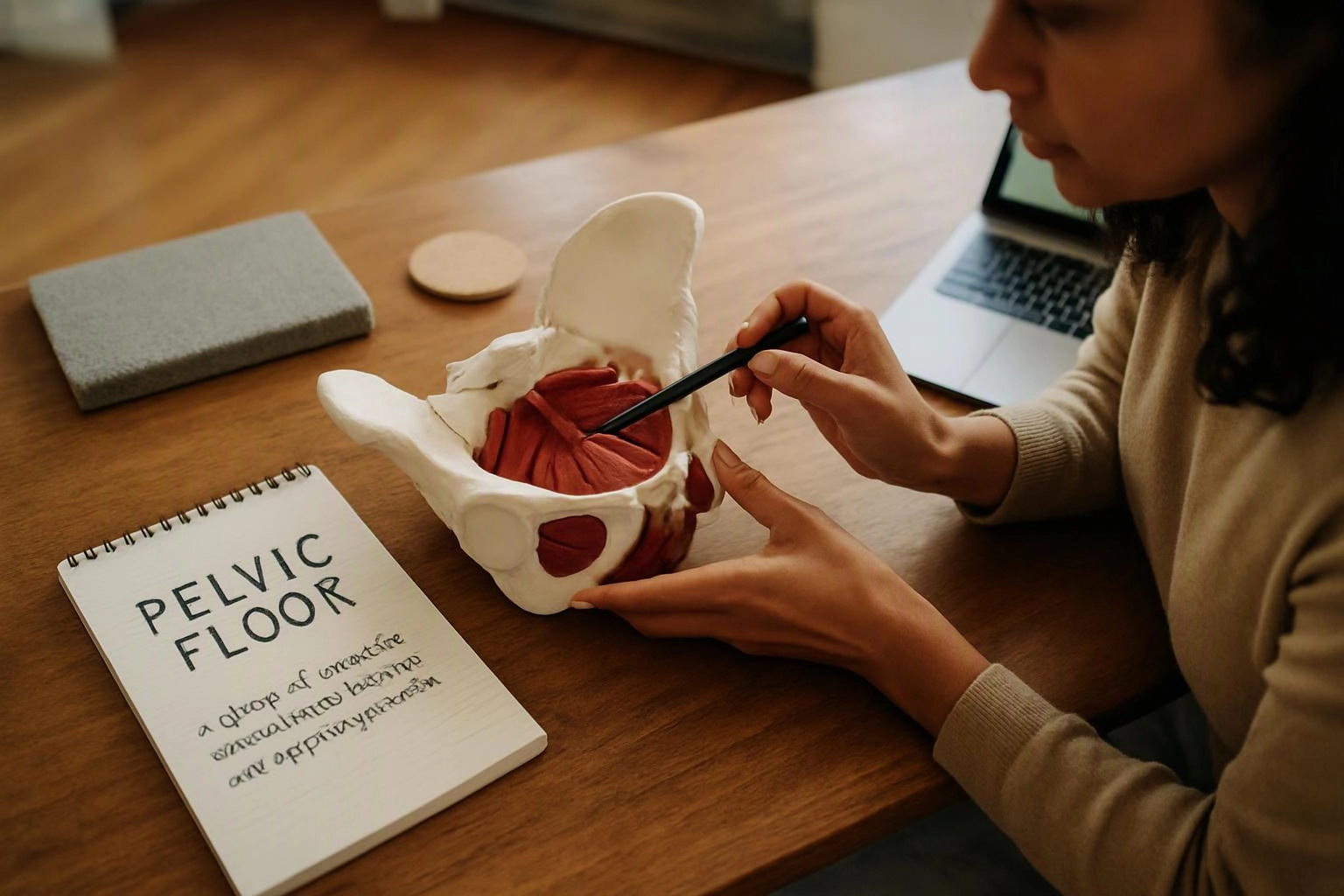
Pelvic floor tissues span the lower opening of the pelvis and work with the abdominal wall, diaphragm, and spine. The muscles can contract, relax, and adjust tension as you breathe, move, lift, or change position. This coordinated action helps manage pressure within the trunk.
Related glossary terms: Sacroiliac Joint, Lumbar Spine, Core Stabilization.
During pregnancy, changes in body weight, posture, and pelvic motion can affect how these tissues respond. A clinician may observe breathing patterns, movement, posture, and reported symptoms to understand how the sacroiliac joint and nearby regions function together. The lumbar spine also contributes to this assessment because lower back and pelvic movement often influence one another. This approach describes movement patterns without treating the pelvic floor as an isolated structure.
From the Arrowhead Clinic Chiropractor Hinesville team
When we assess pelvic floor concerns during prenatal chiropractic care, we review posture, gait, breathing, and pelvic movement together. Our team considers comfort, pregnancy-related changes, and the relationship between the pelvis and lower back. We keep the assessment focused on movement and refer concerns outside our scope to the appropriate medical professional.
Pelvic Floor in Practice: A Real-World Example
During prenatal chiropractic care, a patient may report pelvic pressure when walking or turning in bed. We may observe how the pelvis, lower back, and breathing patterns move together before selecting an appropriate care approach.
Related Services
Related Terms
Sacroiliac Joint
Sacroiliac Joint is the connection between the sacrum at the base of the spine and the…
Lumbar Spine
The lumbar spine is the lower section of the spinal column between the thoracic spine and…
Core Stabilization
Core Stabilization is a therapeutic exercise approach that trains the muscles around the abdomen, back, pelvis…
Neutral Spine
Neutral Spine is a balanced position in which the spine keeps its natural curves while the…
Arrowhead Clinic Chiropractor Hinesville
Have Questions About Pelvic Floor?
Contact Arrowhead Clinic Chiropractor Hinesville for practical guidance on Pelvic Floor and related chiropractor work in Hinesville.